Here’s something most marketing teams learn the hard way: when a potential buyer lands on your website, the first place they go isn’t your property description or your brand philosophy. It’s your media gallery. They’re scrolling through images, forming an opinion about your brand in seconds, and deciding whether you’re worth their time. If the photography doesn’t stop them in their tracks, the rest of your website barely matters.
That’s the reality of architectural photography in today’s market. It’s not just “nice to have.” It’s the single most forward-facing element of your brand, and you only get one opportunity to make the right first impression.
At Rob-Harris Productions, we’ve spent over 30 years helping leading brands put their best foot forward with high-caliber architectural photography that captivates and stands the test of time. We’ve shot for companies like Camden Living, David Weekley Homes, Hard Rock, Minto Communities, and Latitude Margaritaville, and we’ve learned a few things along the way about what separates photography and videography that commands attention from everything else on the page.
This guide walks you through what professional architectural photography and videography actually involves, why it matters at the brand level, and what to look for when you’re ready to invest in photography and videography that does your work justice. Whether you’re a head of marketing planning your next campaign, an interior designer preparing a project for award submissions, or an architect looking for a photographer who truly understands your vision, this one’s for you.
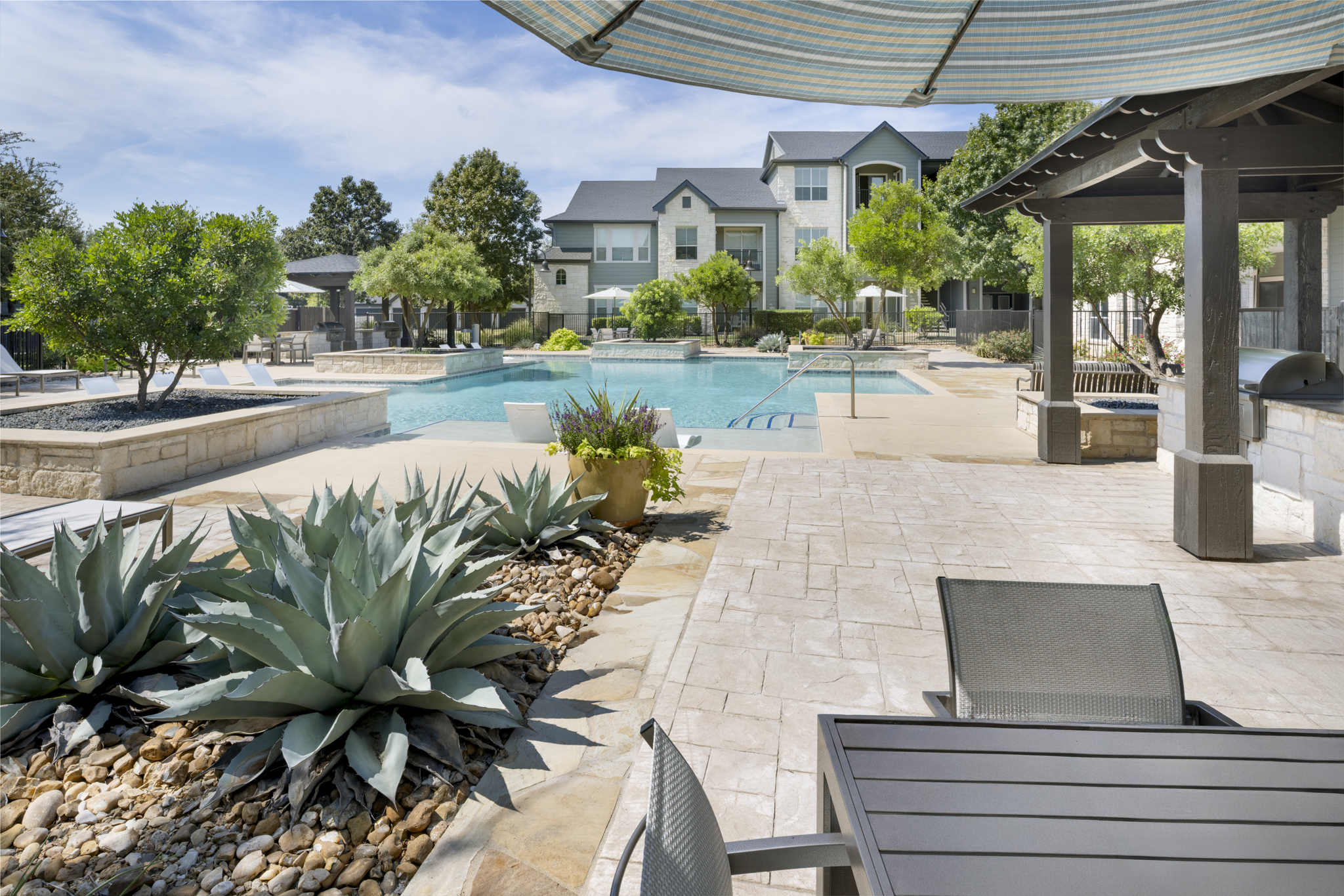
What Architectural Photography Actually Is (And Why It’s Not Real Estate Photography)
Let’s get this out of the way first, because it’s the single biggest misconception in the industry: architectural photography and real estate photography are not the same thing. Not even close.
Real estate photography is built for volume and speed. A real estate photographer is typically booked to capture a listing quickly: walk in, fire off a series of wide-angle shots with minimal staging and available light, deliver the files, and move on to the next property. The images serve a short-term purpose to help sell or lease one specific unit. Once that unit is off the market, the photos often are, too.
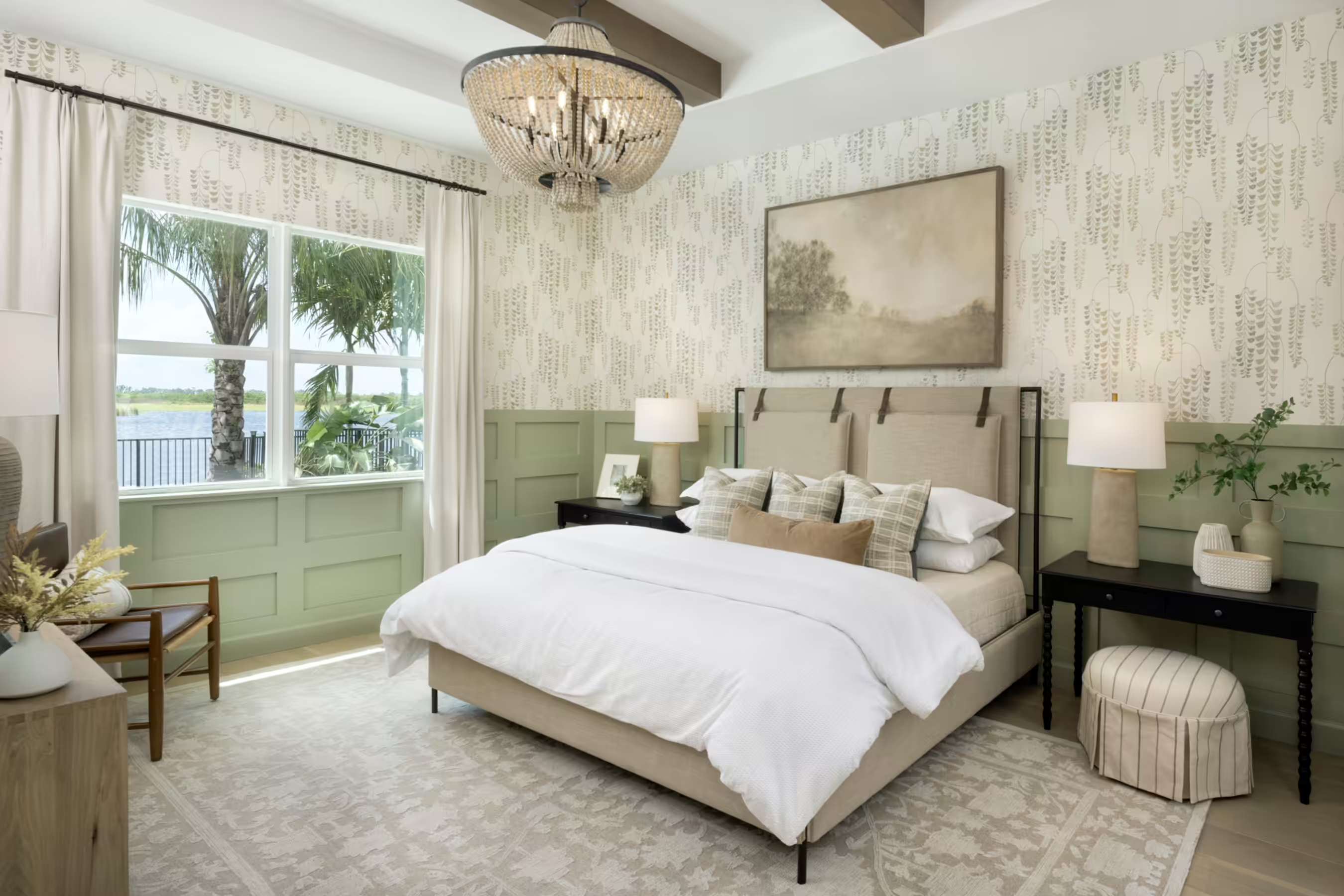
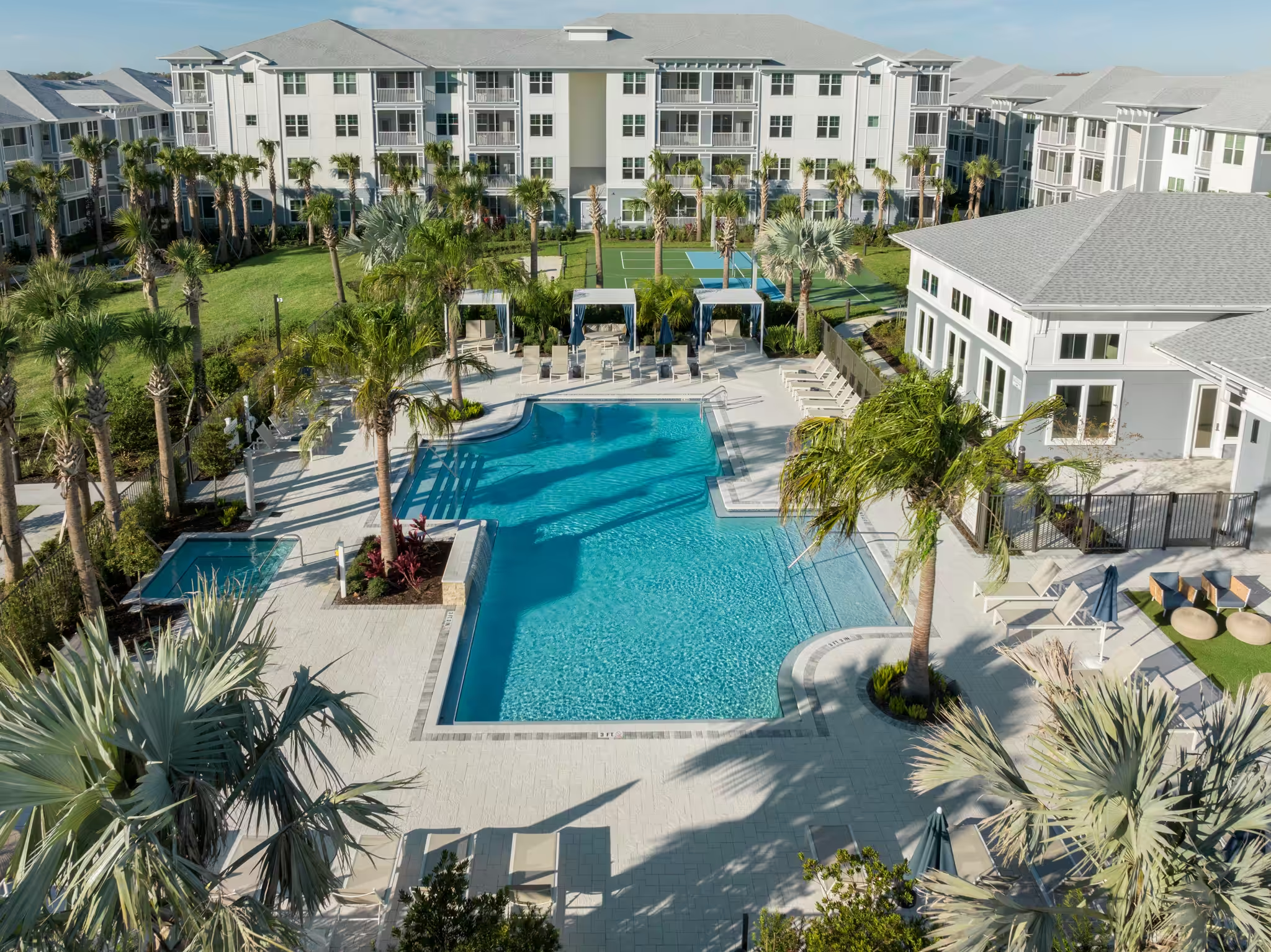
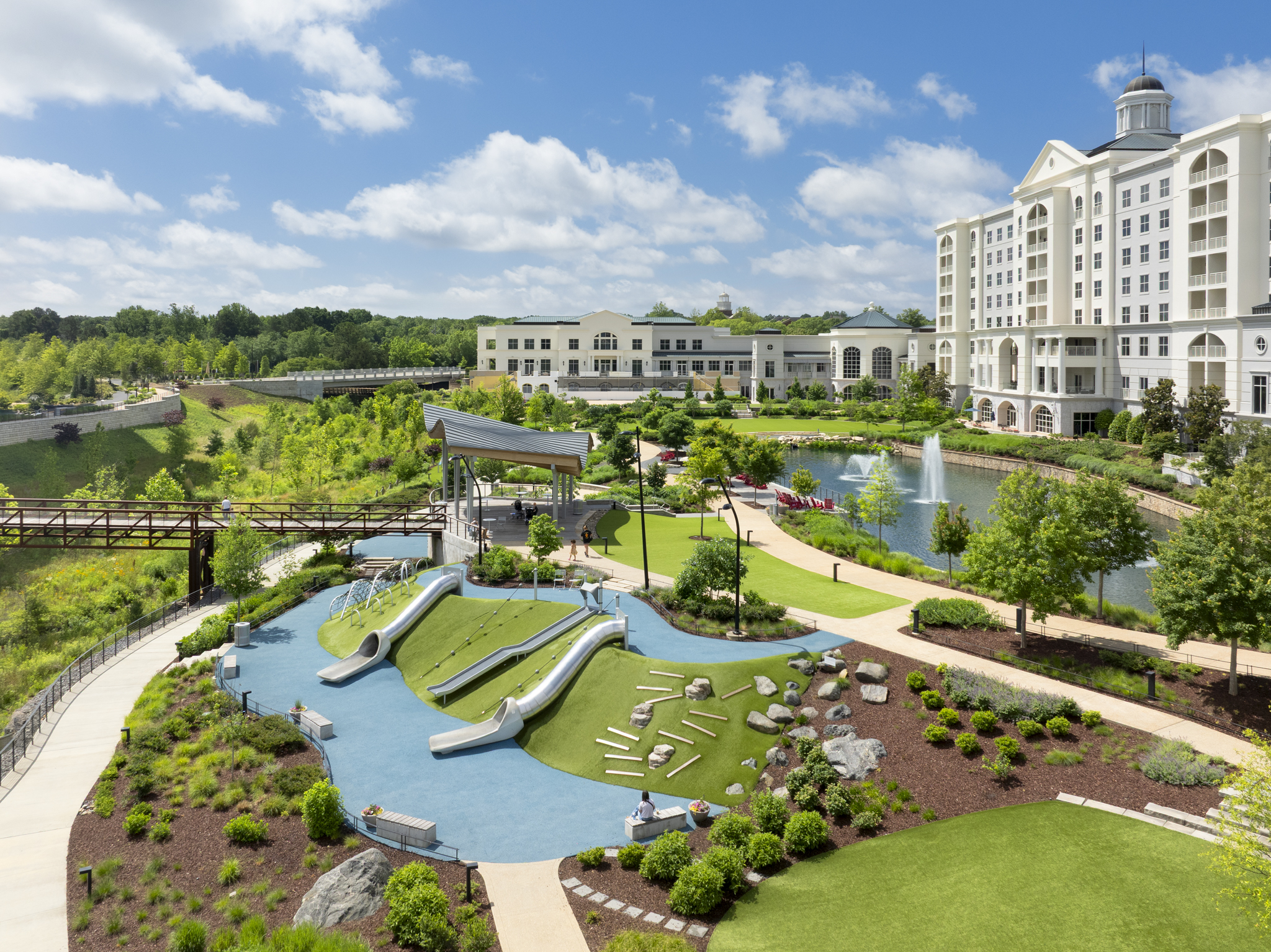
Architectural photography is an entirely different discipline. It’s a meticulous, detail-driven process built around composition, professional lighting, and creative staging to produce imagery that represents your brand for years across every channel you use. Your website, billboards, award entries, print campaigns, social media, and more. These aren’t disposable photos. They’re brand assets.
The differences show up in every stage of the process. An architectural photographer thinks about the direction of natural light and the time of day before the camera even comes out. They consider how shadows fall across an exterior, where additional lighting needs to be placed to bring out depth and dimension, and how every element in the frame works together compositionally. A standard real estate photographer doesn’t operate at that level of detail, and the results reflect it.
The images from a professional architectural shoot aren’t something you tuck away on page five of your website. They’re on the homepage. The billboard. The magazine cover. The award submission that puts you ahead of your competition.
“I consider him my billboard photographer. I know that he is going to give me stellar photographs that truly capture my audience’s attention. His work is not a five-minute wonder. He shoots images to crop, thus giving me timeless options.”
— Janice Snow, Executive Director of Marketing, Nealand & Neighborhoods
If you’re curious about the specifics that set these two disciplines apart, we break it down in detail in our post on architectural photography vs. real estate photography.
Why High-Caliber Photography Is an Investment, Not an Expense
We get it, budgets are real, and every dollar has to be justified. But here’s the thing: cutting corners on photography and videography doesn’t save you money. It costs you attention.
Think about what it takes to get a potential buyer or renter to your website. You’re spending on paid search, social advertising, SEO, content marketing, email campaigns, and maybe even traditional media. All of that effort and budget is designed to drive someone to one place: your website. And when they arrive, if the first image they see isn’t compelling, isn’t capturing, isn’t beautiful enough, it’s a complete waste of effort. Every marketing dollar you spent getting them there just evaporated.
Now flip that around. When your imagery is exceptional, it becomes the engine that drives everything else. A single high-caliber architectural shoot produces assets you’ll use for five, seven, even ten years. Those images land on your homepage, your social media, your billboards, your award submissions, your sales brochures, and your presentations. The return on investment compounds over time in a way that budget photography simply can’t match.
We’ve watched our clients win national design awards with images from shoots we produced years earlier. We’ve seen a single photograph become the centerpiece of a pre-leasing campaign that filled a community before it even finished construction. That’s not an expense on a spreadsheet. That’s a driving marketing force.
“A home is the largest investment that most people make in their lifetime. It’s a big decision and there’s a lot of competition, and everybody’s shopping online and going to websites first. Rob’s photography stands out from a lot of our competitors and entices people to come and visit the models.”
— Debbie Jones, VP of Marketing, Minto Communities
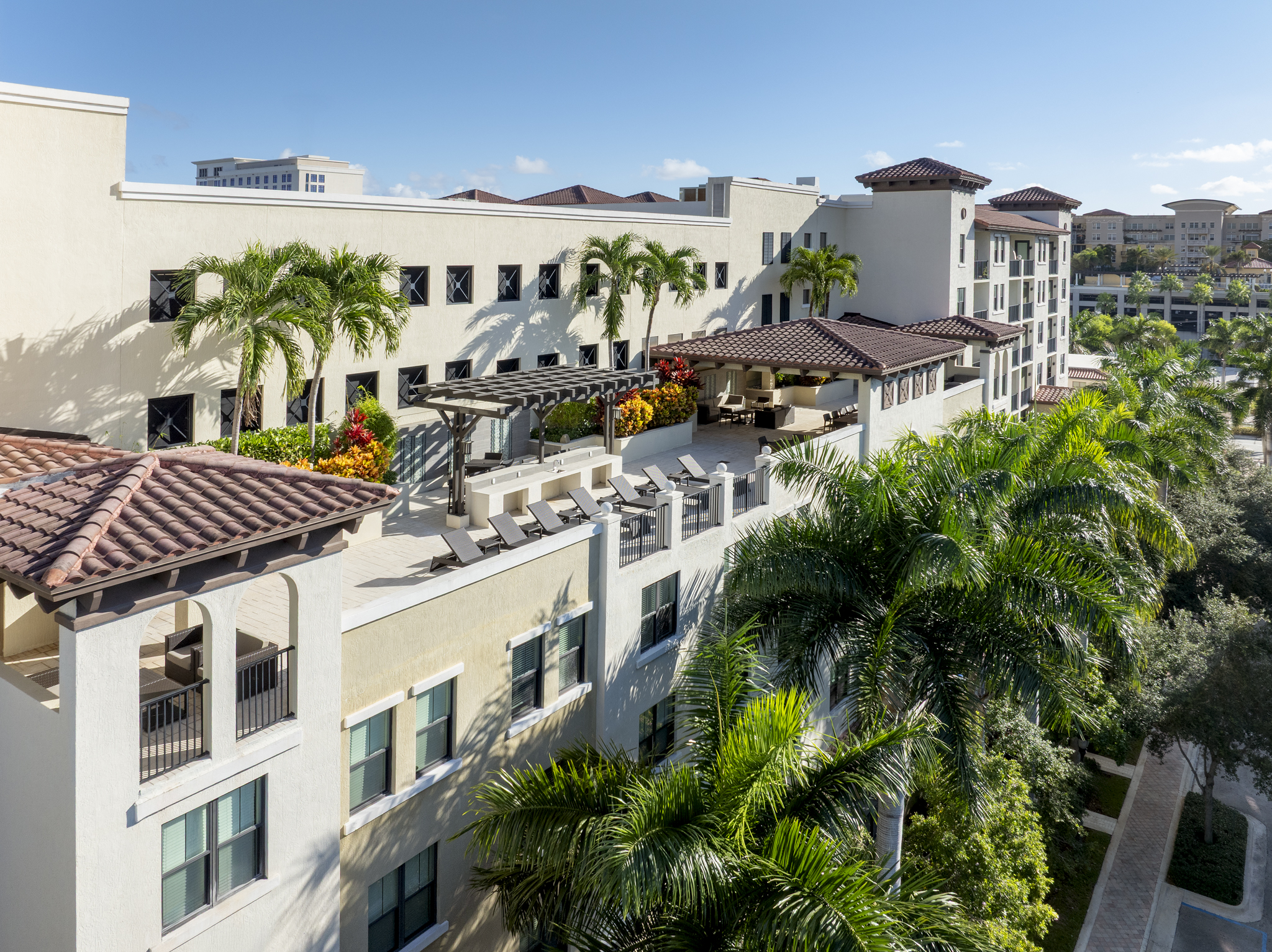
The Pre-Production Process: What Happens Before the Camera Comes Out
One of the biggest differences between a premium architectural photographer and everyone else has nothing to do with the camera. It’s what happens before anyone picks one up.
At Rob-Harris Productions, we put an enormous amount of thought into every shoot before we arrive on set. We start by learning everything we can about the location and the conditions we’ll be working in. If it’s an exterior shoot, we want to know whether the property faces north, south, east, or west. We want to understand how the sun moves across the building throughout the day, what the shadows look like at different times, and what natural light we’ll have to work with. We’ve been known to ask clients to snap a quick photo with their phone and tell us what time they took it so we can study the lighting conditions before we even set foot on the property.
Then comes the logistics. Things that might seem small but make a real difference in the final product: Is it trash day? What time do kids get out of school? Are there trees or landscaping elements that need attention? Will we need a ladder? Is there construction happening nearby? Are leasing agents, tenants, or designers going to be on-site during the shoot? We keep track of it all, because any one of those details can make or break a shot.
We also work closely with our clients to build a detailed architectural shot list before the shoot. This is a collaborative process where we map out every angle, every room, every exterior view together so that when we arrive, there’s a clear plan. No guesswork. No wasted time. Just a focused, efficient shoot that produces exactly what you need.
And before the day arrives, we know exactly what equipment to bring. Extra lighting rigs, specialized lenses, and mounting gear are planned in advance based on the conditions and creative goals. We show up prepared, every time.
If you’re planning an upcoming shoot, our client’s pre-shoot checklist is a great place to start, so you know exactly how to prepare on your end.
On Set: Lighting, Staging, and the Details That Make the Difference
Here’s where the real work happens, and where you’ll see the most dramatic difference between a premium architectural photographer and the rest of the field.
Theatrical Lighting
Light is the foundation of every great photo, and we don’t leave it to chance. Our approach borrows from theatrical lighting techniques. We place supplemental lights strategically to enhance depth, highlight architectural features, and create a sense of mood and dimension that natural light alone can’t achieve. We’re not just illuminating a space. We’re sculpting it.
This is a skill that comes from decades of experience and a background in film photography, where there was no Photoshop to fix mistakes. You had to get the light right in-camera, and that discipline shapes everything we do. We add light where we think there should be a highlight, but we do it seamlessly. The goal is to enhance the image without anyone ever noticing the technique behind it.
Meticulous Staging
Does everyone care about a thread coming off of a pillow or a chair being a fraction of an inch out of place? No, but we do. We’re in pursuit of perfection, and we don’t settle for “good enough.” On every shoot, we’re adjusting furniture, straightening accessories, fluffing pillows, sweeping rugs, and removing distracting elements from the frame. It might seem obsessive, but those details are what make the entire scene pop. When every single element works together, the result is a crisp, clean image that holds the gaze.
Working Around Real-World Conditions
The real world doesn’t pause for a photo shoot, and we wouldn’t want it to. We routinely work around leasing agents showing units, tenants moving through spaces, designers making last-minute adjustments, and construction crews finishing up punch-list items. Sometimes the model isn’t 100% complete, but there’s a deadline, and we always find creative solutions to shoot around obstacles without compromising quality.
Twilight and Golden Hour
Some of the most striking architectural images are captured during the narrow windows at dusk and dawn, when the sky turns dramatic and interior lights create a warm glow against the fading daylight. These shoots require precise timing and preparation, but the results are extraordinary. If you’re weighing whether a twilight shoot is worth the investment, the short answer is: absolutely.
“Rob not only delivers terrific visuals, but he is also a joy to work with. His team always shows up prepared and goes above and beyond to create the best final image. We’ll be using Rob for years to come.”
— Kathy Hernandez, Director of Strategic Marketing, Camden Living
For a deeper dive into the staging process and how to prepare your space, take a look at our interior photography staging tips.
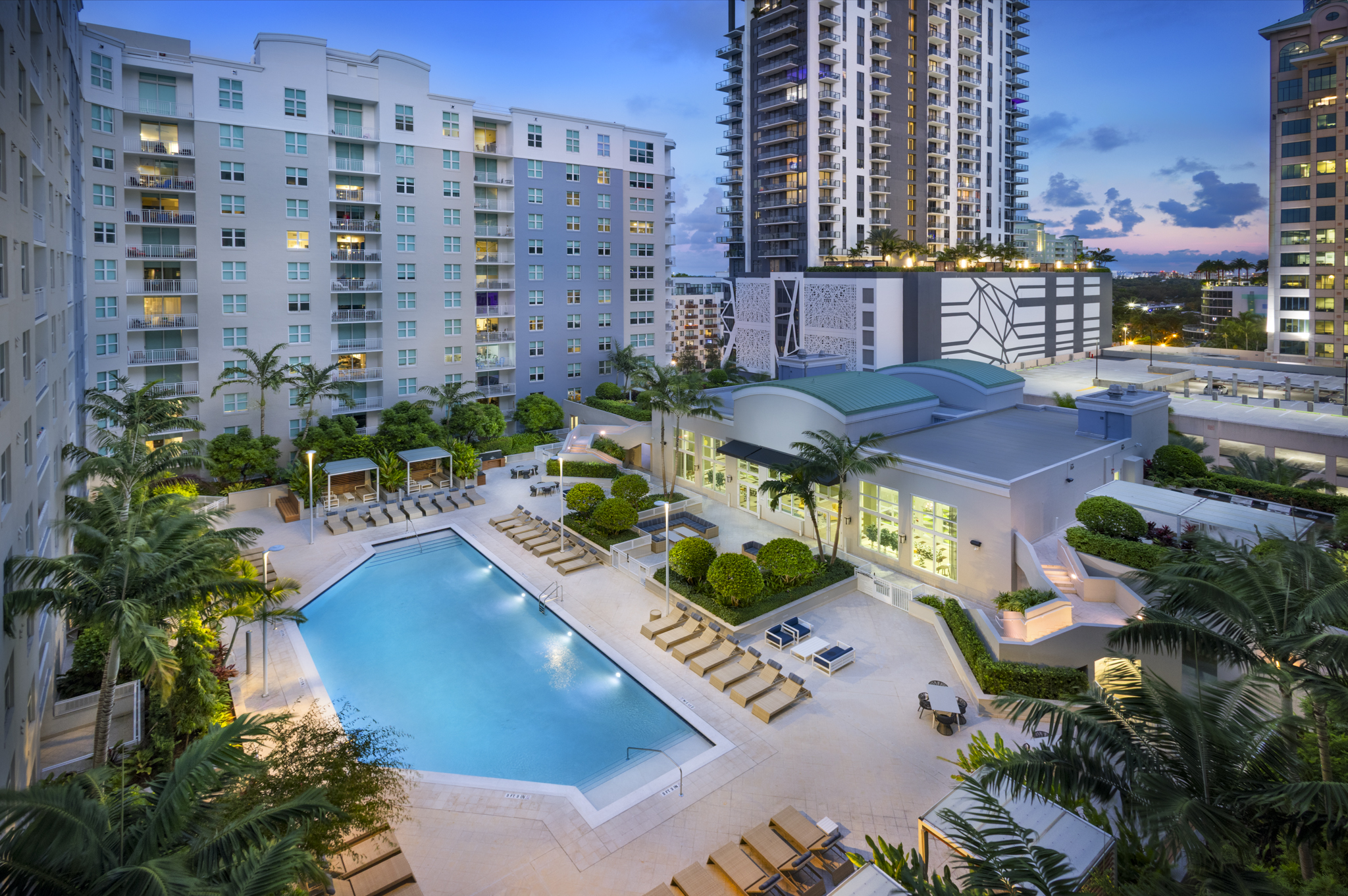
Post-Production: What Happens After the Shoot
The shoot itself is only half the story. What happens afterward is just as important to the final result.
Our post-production process starts with color correction, making sure that what you see in the final image matches the real-world palette of the space. This might sound simple, but accurate color representation is one of the most overlooked aspects of commercial photography. A slight color shift can make a space feel cold when it should feel warm, or dull when it should feel vibrant.
From there, we move into exposure balancing and any necessary retouching. Because of our film photography background, we’re already starting with a clean, well-lit image straight out of the camera. That means post-production is about refinement, not rescue. We’re not trying to fix bad lighting after the fact; we’re enhancing what we captured carefully on set.
We also handle lighting enhancements that add depth and dimension to the final images without ever looking artificial. This is where our theatrical lighting philosophy extends into post: the adjustments are invisible to the viewer, but the impact is obvious.
Once the images are finalized, we manage the complete file library for our clients. Need a different crop for a billboard? A specific file format for a magazine submission? A resized version for social media? As long as you’re a client, we take care of it. We look at ourselves as part of your team, and we handle your assets with that level of care.
The industry is also evolving, and tools like AI-assisted editing are starting to play a role in professional workflows. If you’re interested in where the technology is heading, our post on how architectural photographers can use AI editing covers the landscape.
How Leading Brands Use Architectural Photography and Videography
Professional architectural photography and videography aren’t single-use assets. The brands that get the most value from their investment are those that deploy it strategically across all channels in their marketing ecosystem.
Your website media gallery and homepage hero images are the obvious starting point and the most critical. But the applications go far beyond that. We regularly produce imagery that our clients use for large-format billboard campaigns, pre-leasing materials for properties still under construction, national design award submissions, social media and digital advertising content, print collateral, including brochures, direct mail, and magazine features, and internal presentations and investor materials.
The award angle is one that many brands underestimate. We’ve seen firsthand how exceptional photography becomes the deciding factor in competitive award programs. When you’re up against dozens of other entries, your visuals are what set you apart from the pack.
“We feature Rob’s photography on our website, but we also use it for award entries. That’s where you can really stand out, when you have amazing photography. We use Rob-Harris photography a lot when we enter awards, and we win many of them.”
— Jennifer Cole, Marketing, David Weekley Homes
The key is to think of architectural photography not as a line item for a single project, but as a strategic brand investment that fuels your marketing for years. A set of premium images shot once can be repurposed across campaigns, seasons, and channels, giving you a consistent visual identity that reinforces your brand at every touchpoint.
If you’re in the multi-family space, our article on how photography impacts pre-leasing campaigns goes deeper into the specific ROI this kind of imagery delivers.
What to Look for in an Architectural Photographer and Videographer
If you’re looking to invest in professional architectural photography and videography, here are the things that matter most, based on what we’ve learned from three decades of working with the industry’s top brands.
Portfolio consistency. Don’t just look for one or two hero shots. Look for depth across multiple projects. Can the photographer deliver at a high level consistently, or are they a one-hit wonder? You want a body of work that demonstrates range and reliability.
Lighting expertise. Ask about their approach to additional lighting. If a photographer relies entirely on natural light and flash, that’s a red flag for architectural work. Premium results require deliberate, strategic lighting that enhances the space.
Communication and scheduling. This one might surprise you, but it matters as much as the final images. If a photographer is difficult to schedule, slow to respond, or creates friction in the process, it becomes a headache that compounds over time. In multi-family and commercial work, there’s an ongoing need for content. You need a team that makes the process easy.
Industry-specific experience. Multi-family, hospitality, commercial development, and residential all have their own nuances. A photographer who understands the specific requirements of your industry will deliver better results with less back-and-forth.
Post-production quality and turnaround. Great photography doesn’t end when the camera goes back in the bag. Make sure the team delivers clean, polished finals on a timeline that works for your marketing calendar.
Long-term relationship potential. You’re not looking for a one-off vendor. You’re looking for a partner who will learn your brand, understand your vision, and grow with you over time. That kind of relationship compounds in value with every shoot.
“What makes Rob-Harris Productions stand out is how easy it is to partner with them. There are so many complicated things in our world, but I know that I can just pick up the phone, and Rob and I are going to make it work.”
— Stephanie Henley, Interior Designer, Beasley & Henley
Ready to Put Your Best Foot Forward?
Your imagery is the first impression your audience gets of your brand. It needs to be exceptional, and the process of getting there should be simple.
At Rob-Harris Productions, we combine 30+ years of shooting for the industry’s leading brands with meticulous attention to detail, advanced lighting techniques, and a client experience that’s genuinely smooth from the first phone call to final delivery. We’re a team of professionals who care about getting every detail right, and we have a pretty good time doing it.
If you’re ready to invest in architectural photography that captures attention, wins awards, and stands the test of time, we’d love to hear about your project. Reach out to the Rob-Harris Productions team, and let’s make it easy.