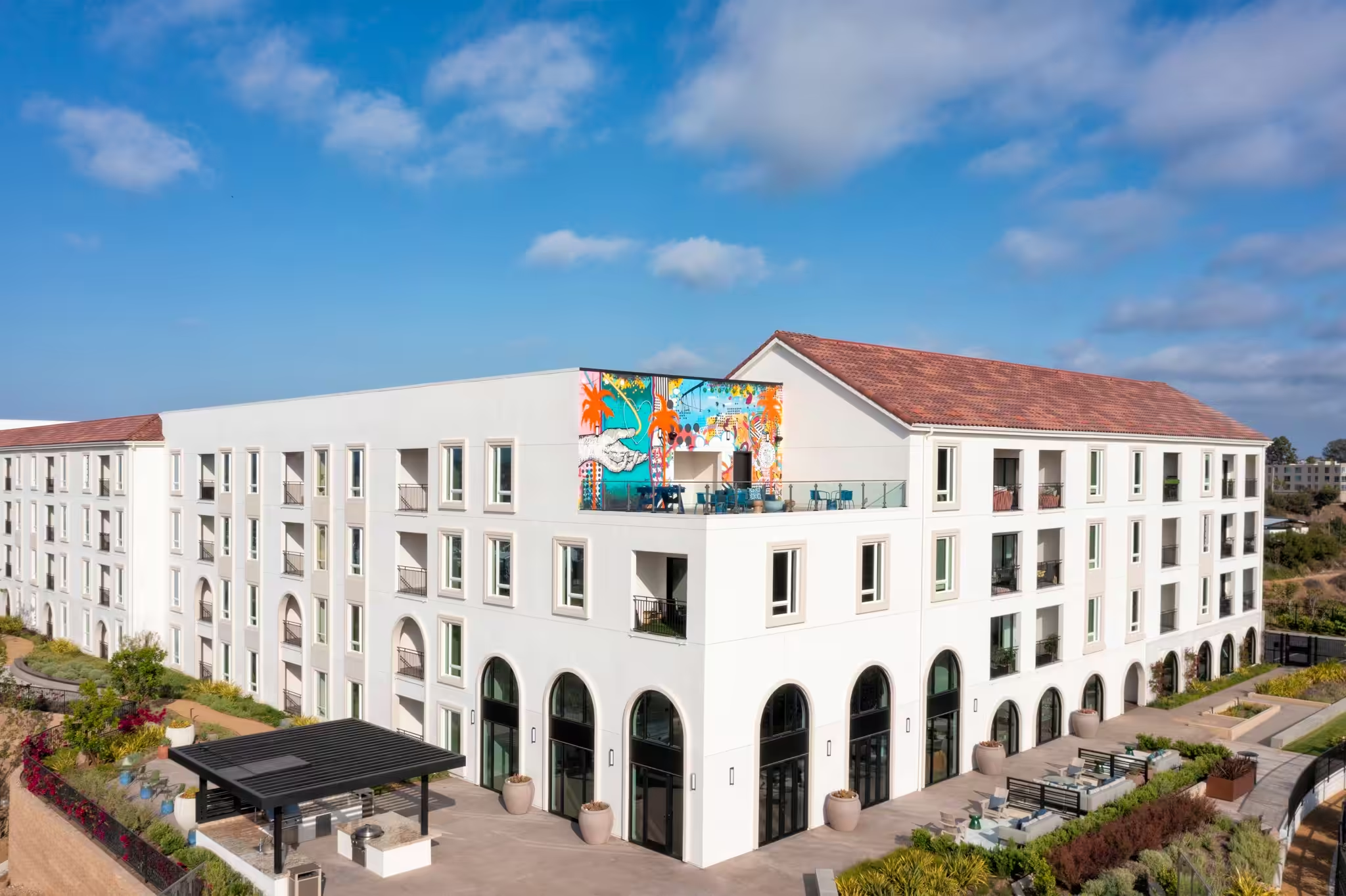
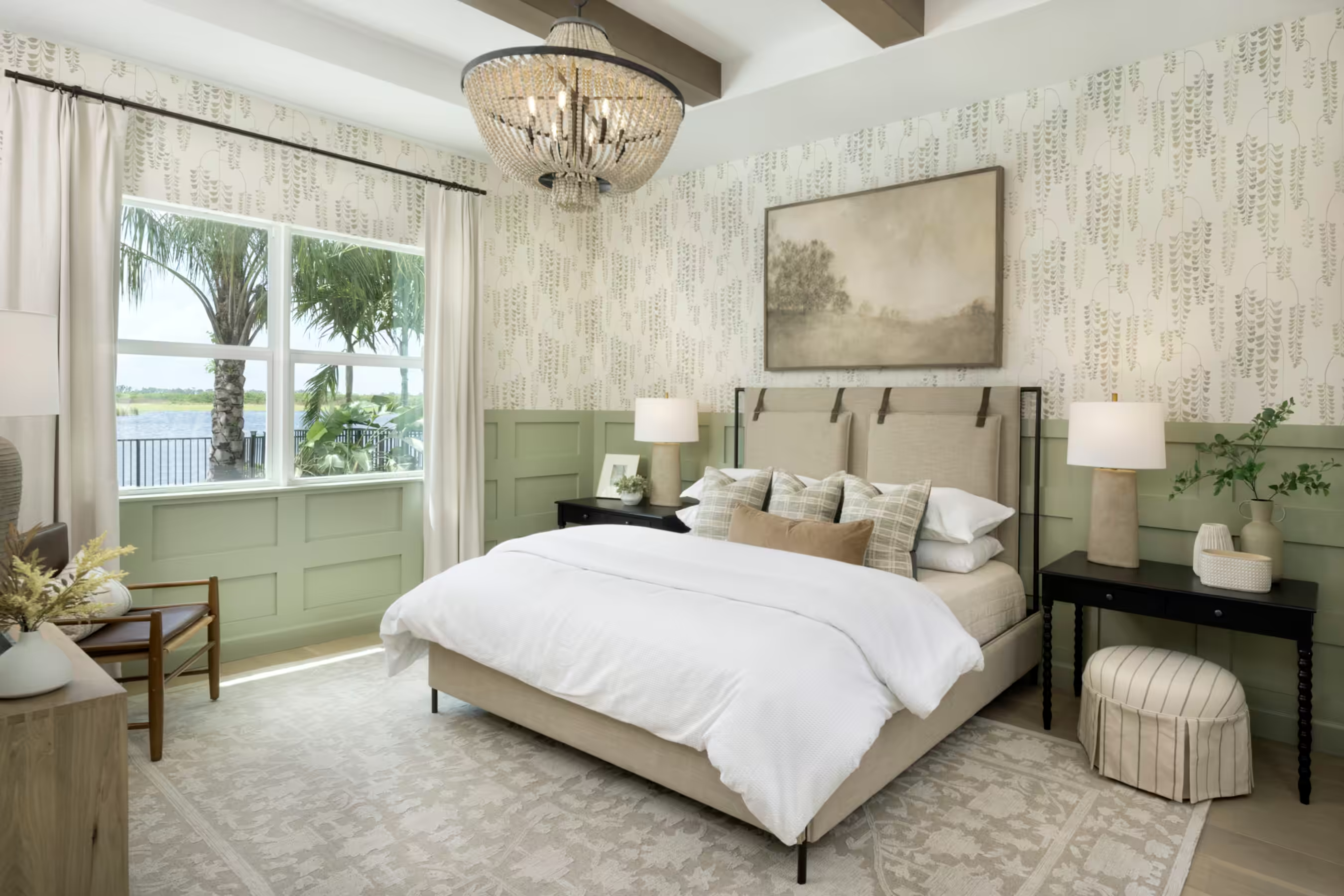
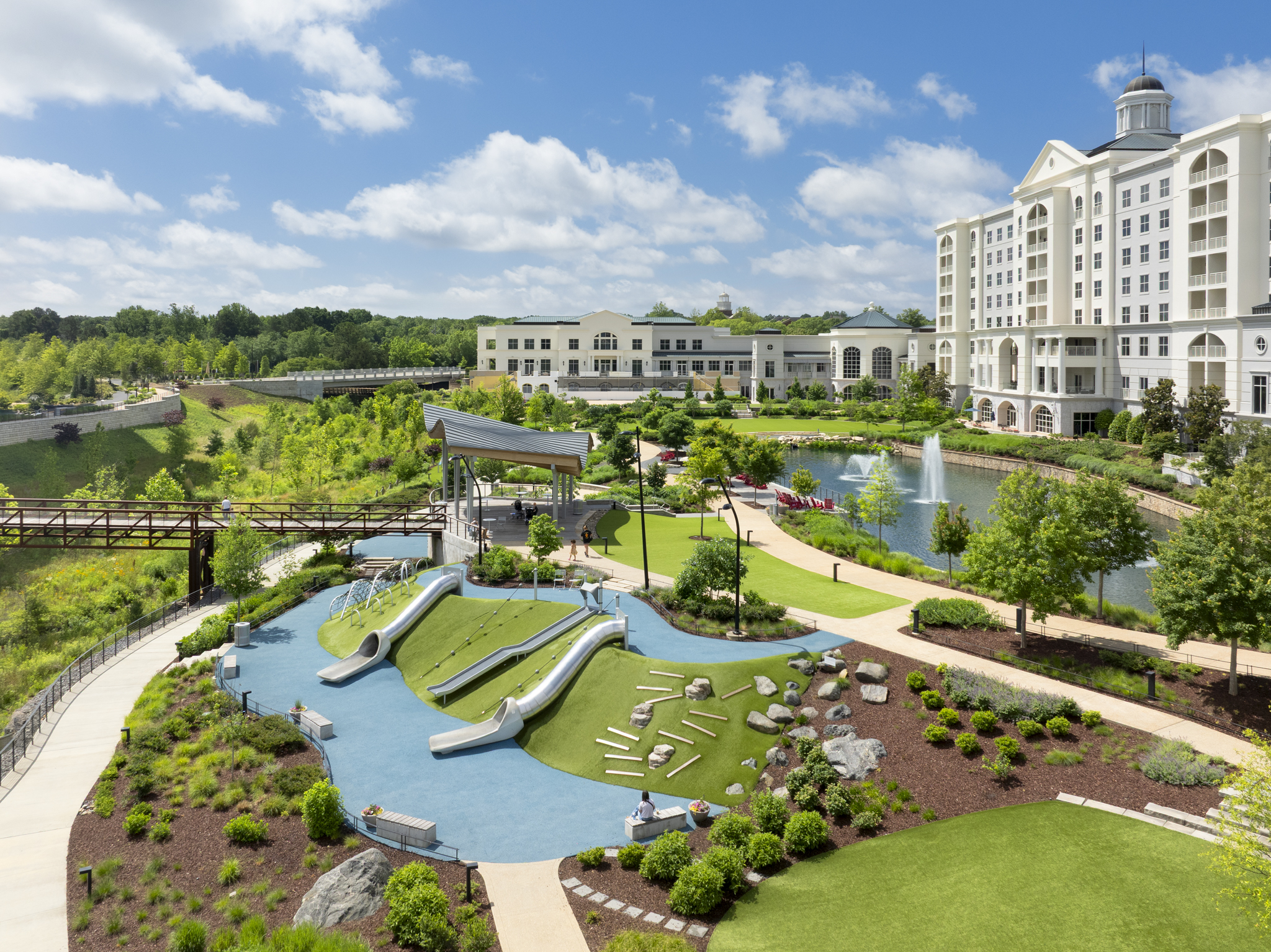
A still photograph shows a prospect what a space looks like. Video shows them what it feels like to walk through it.
That difference is why video has moved from a nice-to-have to a line item in most property marketing budgets. Community websites open with a looping hero video. ILS listings rank video tours above photo galleries. Paid social is built for motion. And a marketing director who used to ask “do we need video?” now asks “what kind, how much, and can we shoot it the same day as the stills?”
This guide answers those questions. It covers what architectural videography is (and how it differs from someone walking through a model unit with a phone), the types of video that work for property marketing, how a video shoot is planned and lit, and how to get the most out of one production day.
For the photography side of the same conversation, see our complete guide to architectural photography and our drone photography guide for property marketing.
What Architectural Videography Is
Architectural videography is video that treats a building the way architectural photography treats it: as a designed object with a front, a flow, a lighting scheme, and a story. The camera moves deliberately. The light is controlled. The edit follows the way a person would experience the space, from the approach to the front door to the view from the balcony.
What it is not is a walkthrough shot on a phone by a leasing agent. Those have a place (a quick follow-up after a tour, a story on social), and we are not going to pretend otherwise. But they are documentation, not marketing. The same distinction we draw between architectural photography and real estate photography applies here, and it comes down to the same three things: preparation, lighting, and intention.
The properties we shoot video for are the same ones we photograph: multi-family communities, hospitality venues, master-planned developments, luxury residential, commercial. Projects like Hard Rock Tampa, Altaire Orlando, and Latitude Margaritaville Daytona each needed video that matched the quality of the stills sitting next to it on the website.
Where Video Works in Property Marketing
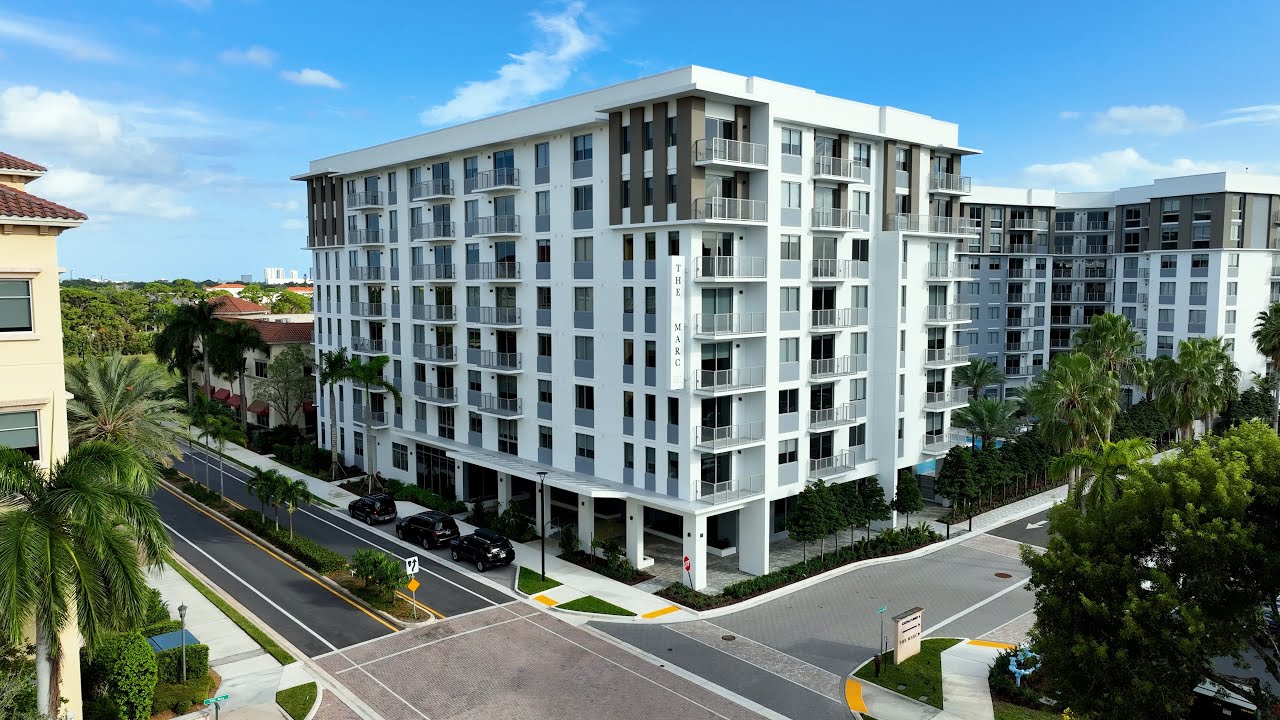
Before deciding what to shoot, know where it will play. Each destination asks for something different.
Website hero loop. A 10 to 20 second silent loop at the top of the homepage. Slow moves, no cuts that jar, no talent looking at the camera. It sets the tone for everything below it and gets seen more than any other video the community produces.
Full community tour. A 90-second to 3-minute piece that walks a prospect through the arrival, amenities, a model unit, and the neighborhood. Lives on the website, the ILS listings, and YouTube. This is the piece that replaces a first tour for out-of-market prospects.
Short-form vertical. 15 to 30 seconds, 9:16, captioned, built for Instagram Reels, TikTok, and paid social. Usually cut from the same footage as the tour, which is why the tour should be shot with vertical crops in mind.
Amenity and floor plan spotlights. 20 to 45 seconds each, one subject. The pool at twilight. The two-bedroom corner unit. The rooftop lounge. These give the leasing team something specific to send after a tour and give the social calendar a month of posts.
Twilight drone. Aerial footage at dusk, when the community’s lights come on against a deep blue sky. Often the strongest few seconds in any property video, and the hardest to get right.
Lifestyle and brand film. People living in the community: the morning coffee on the balcony, the dog park, the coworking lounge. Requires talent, a script or at least a shot plan, and releases. Highest production value, longest shelf life, and the piece most likely to win an award.
A good production plan produces all of these from one or two shoot days. That is the efficiency argument for planning video properly instead of adding it as an afterthought.
The Lighting Does Not Go Away Because the Camera Moves
The most common misunderstanding about architectural video is that it is easier than photography because “you just walk through.” The opposite is true. A photograph is one composition, lit for one camera position. A video move travels through a dozen compositions in fifteen seconds, and every one of them has to be lit.
That means the same theatrical lighting approach we bring to stills applies to motion, with more constraints. Lights have to stay out of a moving frame. Interior practicals have to be balanced against windows across the entire path of the move, not just at one spot. Color temperature has to be consistent from room to room, because a cut from a warm kitchen to a cool bedroom looks like two different properties. Burnt-out bulbs, mismatched LEDs, and a dead landscape fixture all show up in video the same way they show up in stills, except now they are in every frame of the shot.
On set, that translates to more time per setup than most teams expect. A stabilized walkthrough of a model unit that runs 30 seconds in the final edit might take two hours to light, rehearse, and shoot. Rehearsal matters: the operator walks the move without recording, finds where the light falls apart or the reflection appears, and the crew fixes it before the take.
This is also why the film photography background matters in video. Getting the exposure and color right in camera, rather than fixing it in the grade, is what keeps the footage clean when it gets compressed for a website or a phone.
How a Video Shoot Is Planned
The planning conversation for video runs parallel to the photography conversation and adds a few things.
A motion shot list. Every move described: what the camera starts on, where it travels, what it ends on, and how long it runs. “Push in through the front door, reveal the great room, drift left to the kitchen island, hold.” This is the video equivalent of the architectural shot list and it is where most of the creative decisions happen.
Sequencing by light. Same discipline as stills. Which exteriors face east, which face west, when the pool deck is in shade, when twilight falls. Video adds one constraint: a move that starts in shade and ends in sun is a problem stills do not have.
Talent and releases. If people appear, book them, agree on wardrobe (neutral, no logos, nothing that dates the footage), and get releases signed before the day. If residents appear even in the background, releases again.
Music and licensing. Decide up front whether the piece needs licensed music, what mood, and whether the license covers paid social, broadcast, or web only. Licensing scope changes cost and changes what the marketing team can do with the finished piece.
Deliverables. Master tour, hero loop, vertical cutdowns, spotlights, captions files, and a folder of stills pulled from the footage. Agree on the list before the shoot so the footage gets captured to support it.
Property prep. Everything on the client’s pre-shoot checklist, plus a few video-specific items: fountains and water features running, TVs either on with approved content or off, ceiling fans off (they strobe on camera), and HVAC noise noted if any sound will be recorded.
Stills and Video on the Same Day
Most clients want both, and most want them from one production. It is possible and it is efficient, with a few honest caveats.
The lighting setups are similar but not identical. A still can be lit with lights inside the frame that get removed in post; a video move cannot. So a room that is lit for the photograph often needs a second pass for the move. Budget the time.
The best light windows are shared. Twilight lasts about ten minutes. If the plan calls for a twilight still of the pool deck and a twilight drone move over the same pool deck, either the crew is large enough to run both cameras or one of them moves to the next evening.
The shot lists should be built together. When the photography shot list and the motion shot list are planned as one document, the day sequences cleanly and nothing gets orphaned. When they are planned separately, the video crew ends up shooting the model unit at the wrong time of day because the photography crew had it in the morning.
Our approach is to plan them as one production with one shot list, one lighting plan, and one schedule. It is more work up front and considerably less work on the day.
What Video Costs and What It Returns
Video costs more than photography per shoot day, mostly because of crew size, equipment, and the edit. The return calculation is different, too.
Video’s useful life is shorter than a still hero image. Styles change, and a tour shot four years ago looks four years old in a way a photograph does not. Plan on two to three years for a tour and hero loop, longer for a well-made brand film.
Against that, video works in places stills cannot. ILS platforms favor listings with video tours. Paid social platforms favor motion. A prospect relocating from another state can take a full tour from their phone. For lease-ups and out-of-market marketing, video shortens the distance between seeing a listing and booking a visit, and that is measurable in tour requests.
The practical way to think about it: photography is the foundation of the library and gets refreshed on a longer cycle. Video sits on top of it and gets refreshed more often. Plan and budget them together so the community always has both.
Choosing an Architectural Videographer
Watch their work with the sound off. If the footage only works because of the music, the footage is not doing its job.
Look for controlled light, especially in interiors and at twilight. Look for camera moves that reveal the space rather than spin around it. Look for consistency between their stills and their video, because your website will show them side by side.
Ask how they plan. A motion shot list, a lighting plan, and a deliverables list before the shoot day are the signs of a crew that has done this before. Ask about turnaround, licensing, and who owns the footage.
And ask whether they can shoot both. A team that produces the stills and the video from one plan saves you a second planning cycle, a second property prep, and the problem of two vendors whose work does not match.
Ready to Put Your Property in Motion?
If your community, venue, or development needs video that matches the quality of its photography, we would like to talk about it. See our architectural videography and drone services, or reach out with the property and the campaign in mind. We’ll shoot anything that won’t shoot back, and it turns out that includes 24 frames per second.