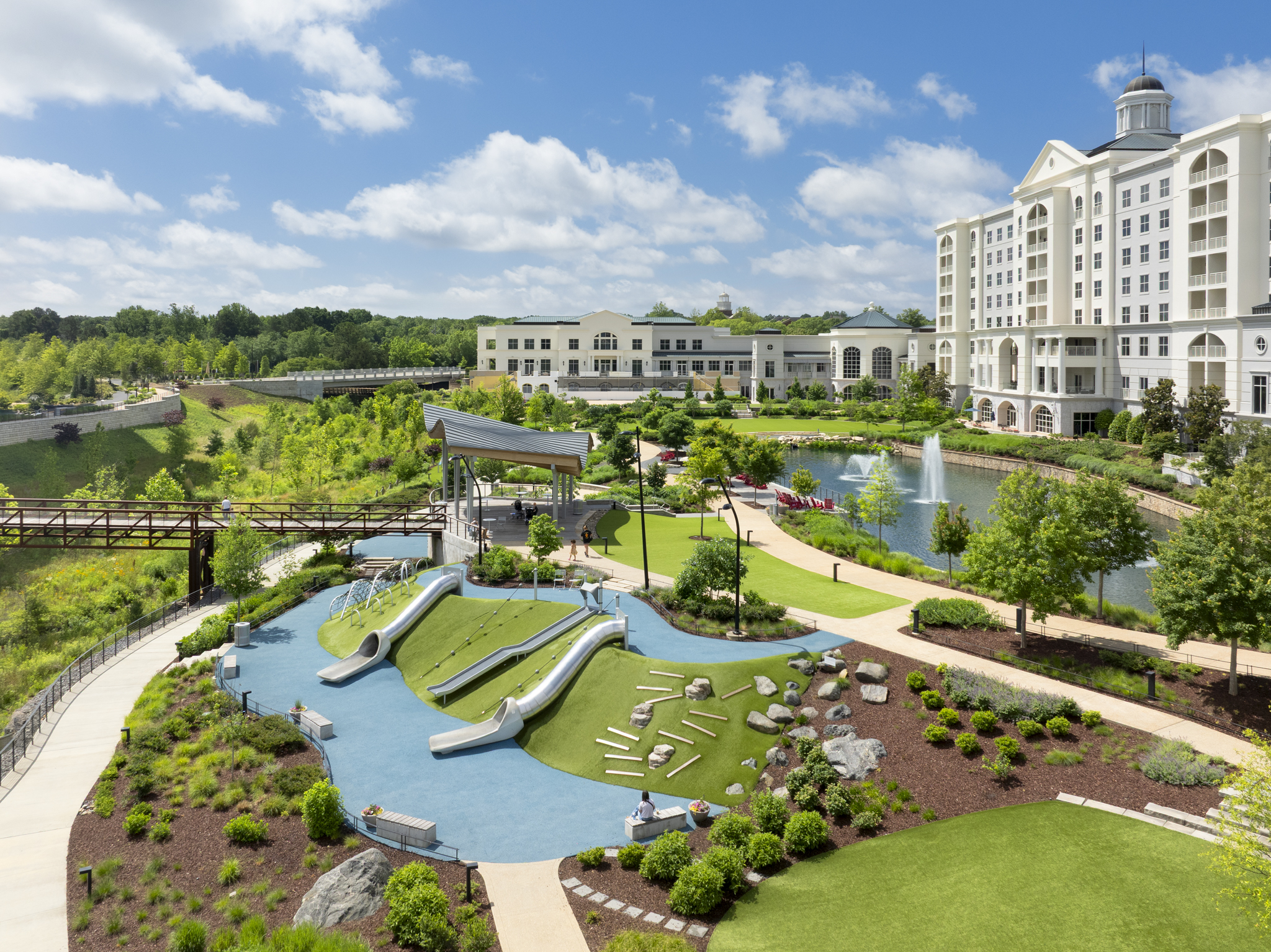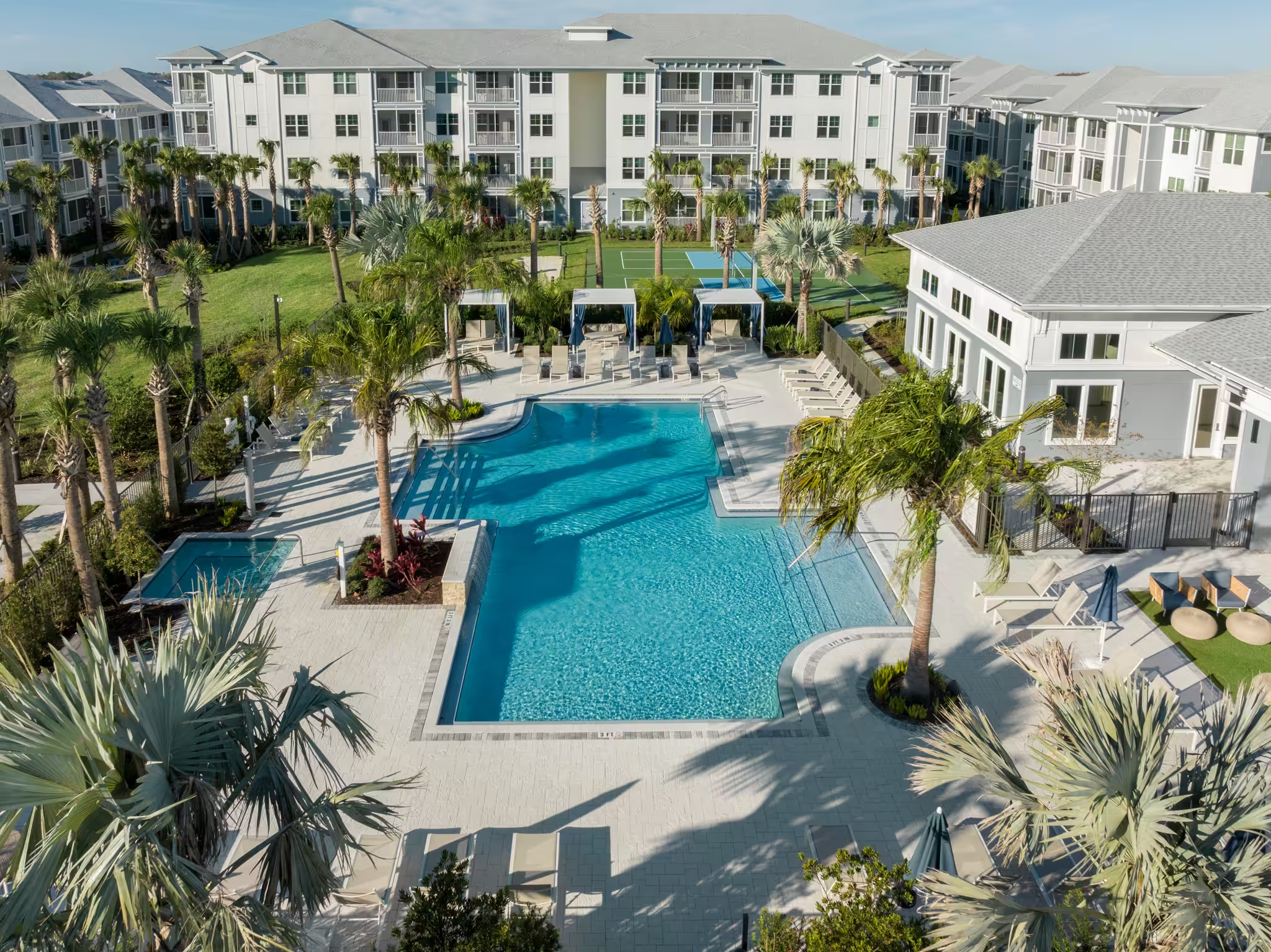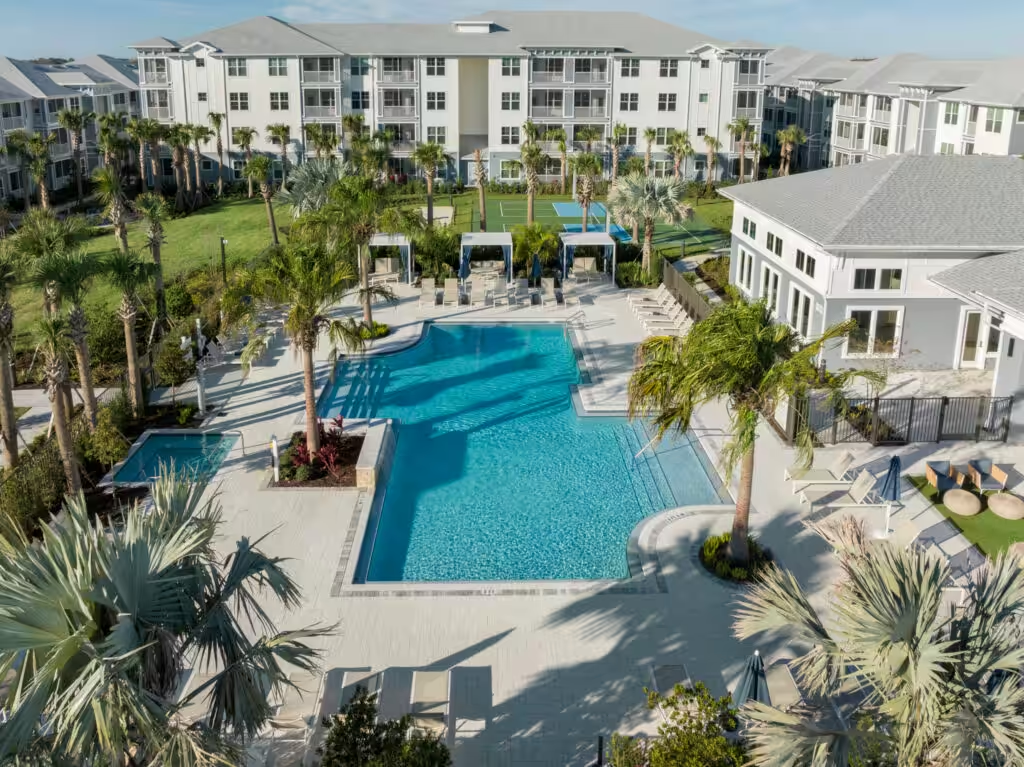
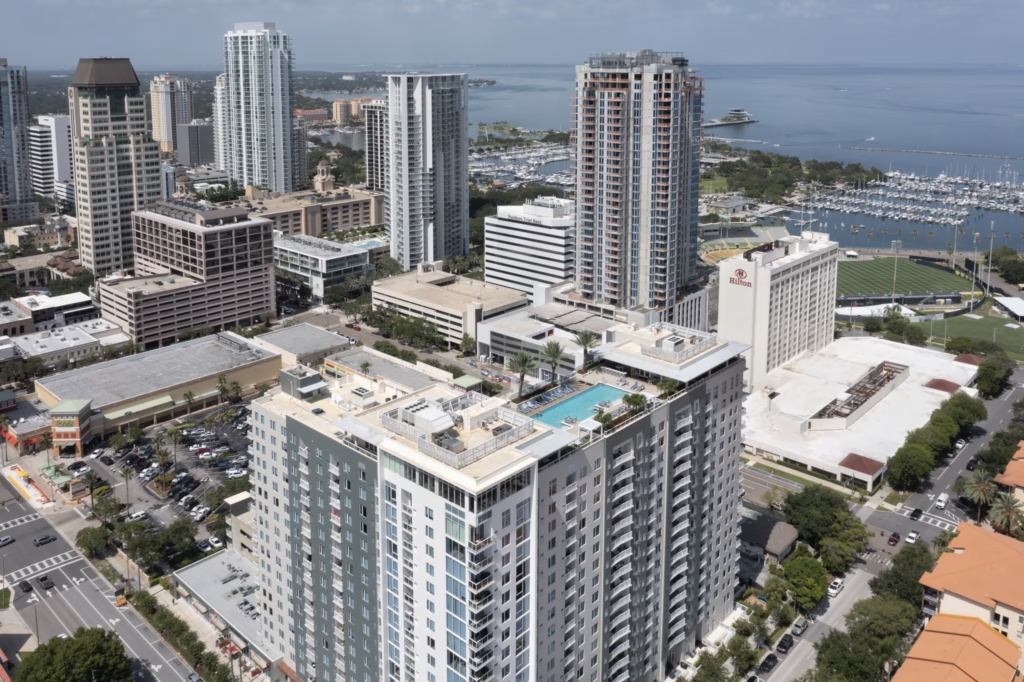
A multi-family community can cover more than 40–50 acres. From the ground, a prospective resident might only see one building at a time. For instance, they might see the leasing office, a model unit, and the pool if they walk far enough. When we fly two to three hundred feet above, now they can see the overall layout, how the property meets the surrounding neighborhoods, major highways or roads, and its proximity to the downtown area.
This shift in perspective is why drone photography has become a critical piece of property marketing. Over the last decade, it has moved from a competitive advantage to an expectation. Today, a website without drone photography or videography looks incomplete. The prospective buyers, residents, and guests looking at your website have come to expect that view from above, and when they don’t see it, they notice.
This guide covers why drone photography and videography are important for property marketing, when not to use them, how to plan a shoot properly, and what separates professional drone work from the footage any amateur with a drone can get. This guide is written for marketing directors, creative directors, and brand teams making decisions about how to spend their photography and videography budget.
Why Drone Photography Is Now Essential for Property Marketing
Three things have made drone photography and videography a must-have.
First is to show its location in context to the surrounding area and the scale of the development itself. Understanding how a development fits into the local area is an important selling point for multi-family communities, master-planned developments, hospitality properties, and commercial buildings. These include walkability, water views, proximity to highways, the quantity of green space, and the way a property sits in its neighborhood. Most of that isn’t visible from the ground. Professional drone photography is one of the only practical ways to showcase this.
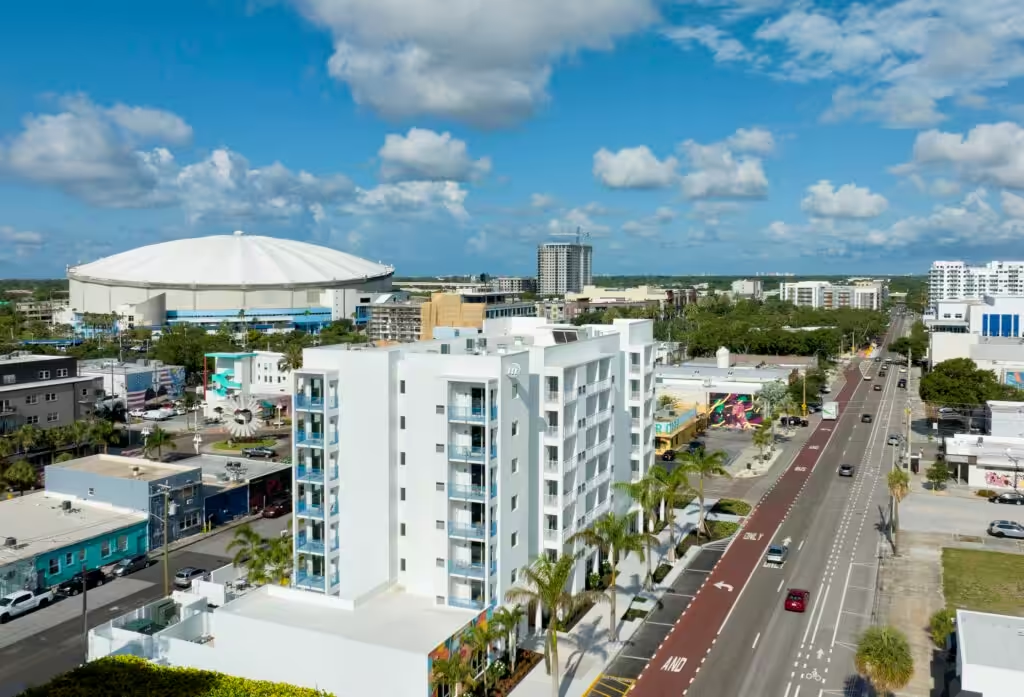
The second is differentiation. Most property websites have interior shots and ground-level exterior shots, but drone photography is still considered a part of luxury marketing. A well-composed series of drone shots portrays that a property cares about its development and the details that went into building it. It can set a property apart when a prospective resident or investor is in the information-gathering stage.
Third, these shots can be used in multiple ways. When planned properly, one drone shoot can get you stunning stills for your website, video for social, panoramic content for virtual tours and sales presentations, print collateral, and even photos to submit for award entries.
Drone vs. Ground-Level: When to Use Each
Marketing directors sometimes ask whether they should skip the ground photography and put the entire budget into drone work, or vice versa. The honest answer is that they do different jobs, and the strongest property uses both.
We’ve written about this distinction in detail here on the blog, so this section will give you the working version.
Where ground-level photography wins
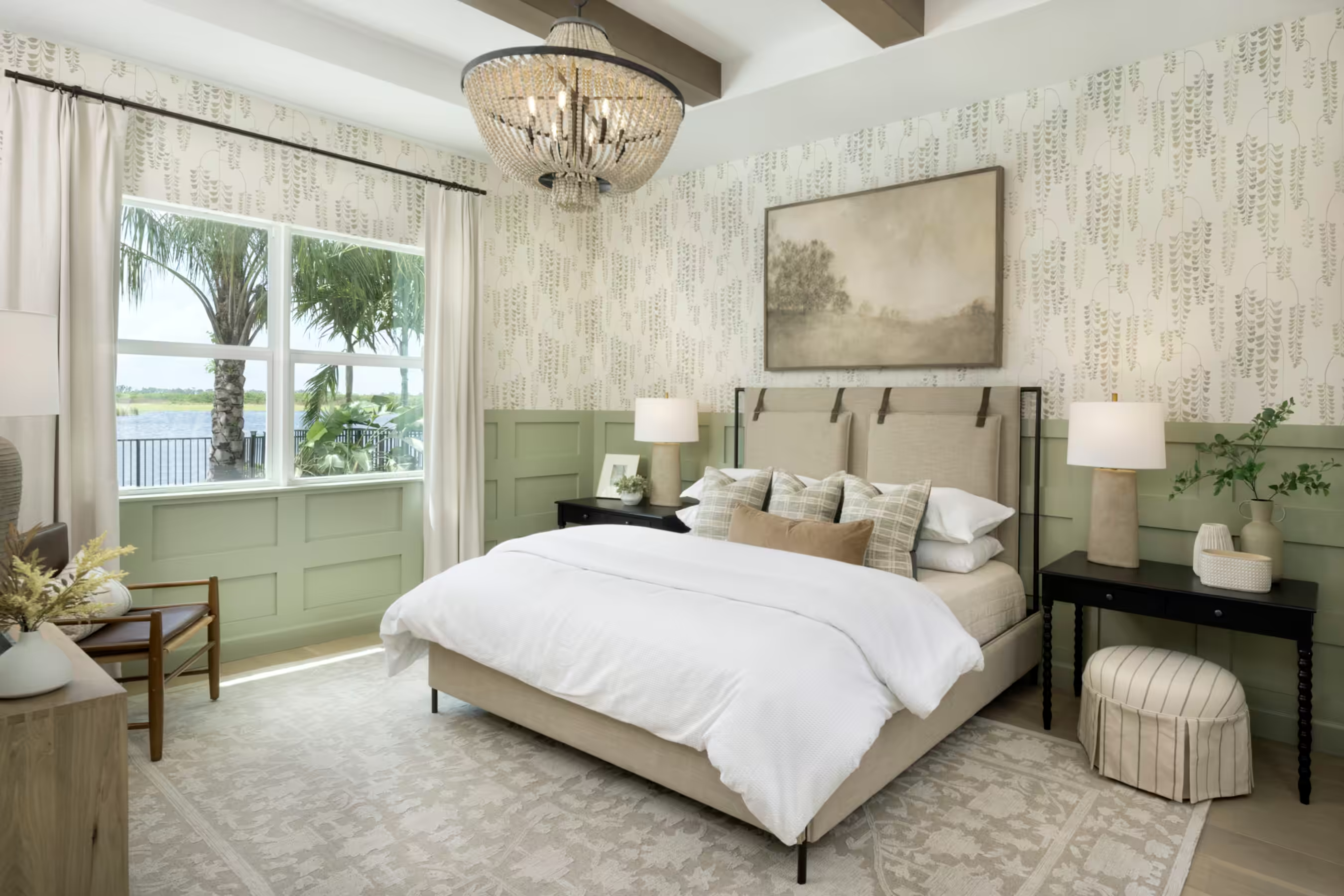
Architectural detail wins from the ground. Ground-level photography brings viewers closer to the details that make a space special, from natural light and architectural lines to rich textures and craftsmanship. These perspectives are especially valuable in smaller, detail-driven spaces, helping your audience appreciate the design and picture themselves in the space. The result should feel immersive and crisp.
Where drone photography wins
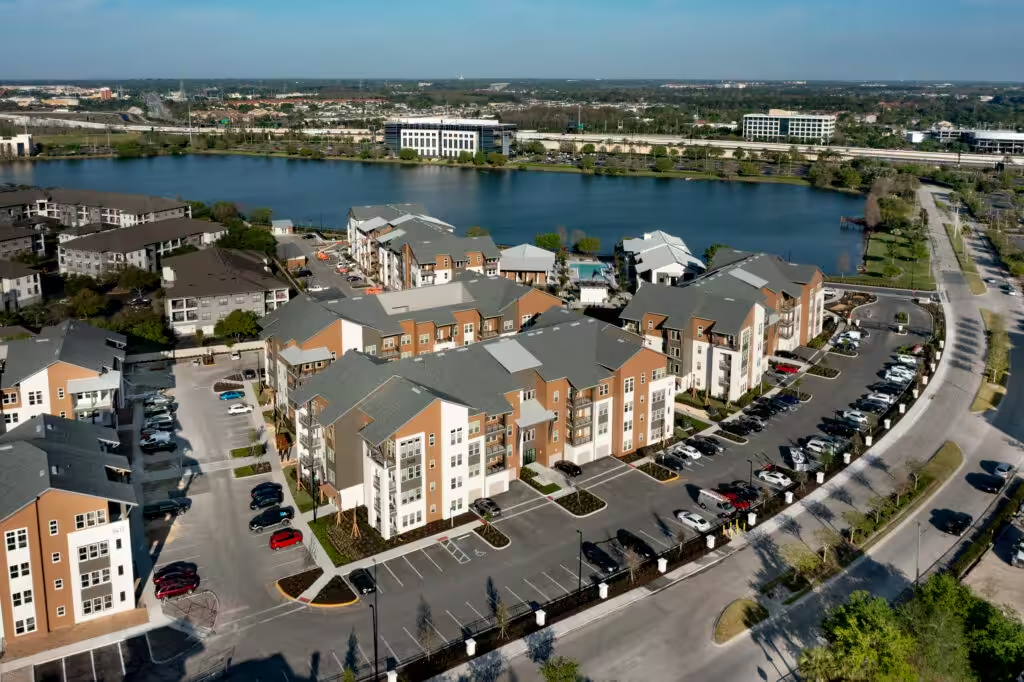
Drone photography allows you to communicate not just where your property is, but why that even matters. It puts things into larger context like where your property sits within the community, an overview of the property layout, proximity to demand drivers like beaches, highways, or downtowns, and how it fits within the broader landscape.
How they work together
Almost every property marketing campaign should include both. Ground-level handles the detail-rich craftsmanship, and drone photography handles geography, scale, and establishing proximity to important landmarks. Drone photography sets the stage, and ground-level shots close the sale. Trying to do the job with only one leaves half the story out.
The Types of Drone Shots That Actually Sell Property
“Get some drone footage” isn’t a brief. A useful drone shoot has a specific shot list built around how the imagery will be used. Here are the five categories that matter most for property marketing.
Contextual drone photography
Wide shots showing the property in relation to its surroundings. The neighborhood, highway access, and proximity to a beach, downtown, or major employer. Used for site location pitches, master-plan marketing, and any campaign that needs to communicate where the property sits.
Hero overhead
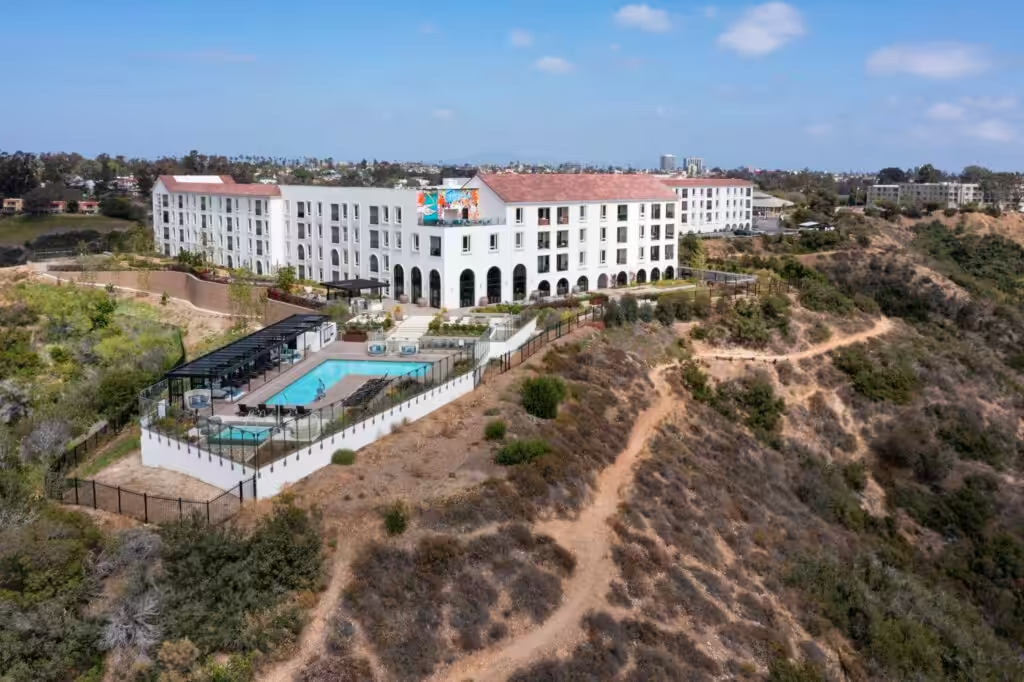
The signature drone aerial composition that becomes a hero asset on a website or brochure. Often a high-angle view that shows the full property as a designed space, or a lower-angle that brings the building forward against its setting. These are the shots a marketing or sales teammate reaches for when they need one image to represent the property.
Twilight and golden hour drone aerials
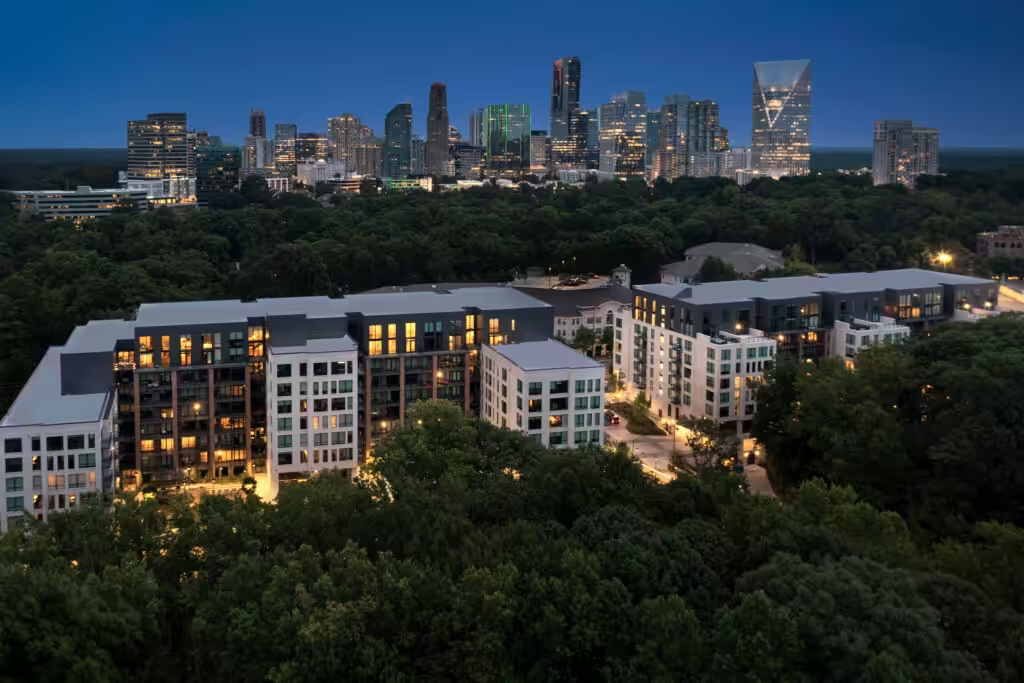
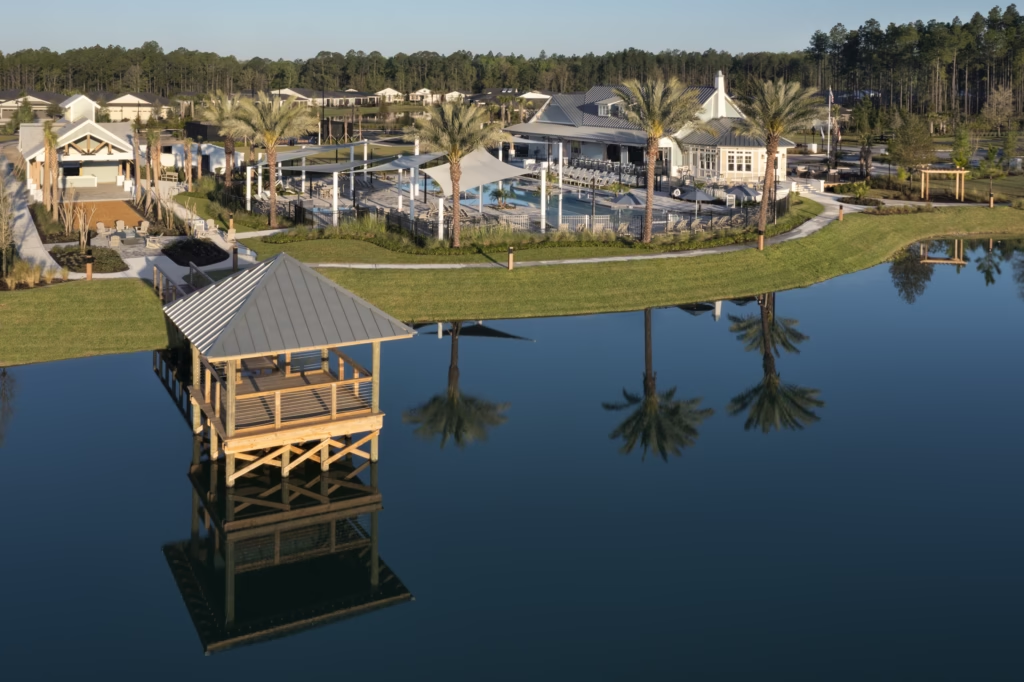
The most premium category of drone work, and the one with the highest visual payoff. Sky color, interior glow from windows, landscape lighting, pool lighting, and signage all work together at dusk to produce imagery that’s genuinely difficult to match. The timeframe to shoot these is narrow (we cover this in detail in our guide to twilight photography), but the asset value is high. Most properties that include twilight drone photography work end up using those shots for years.
Detail flyovers
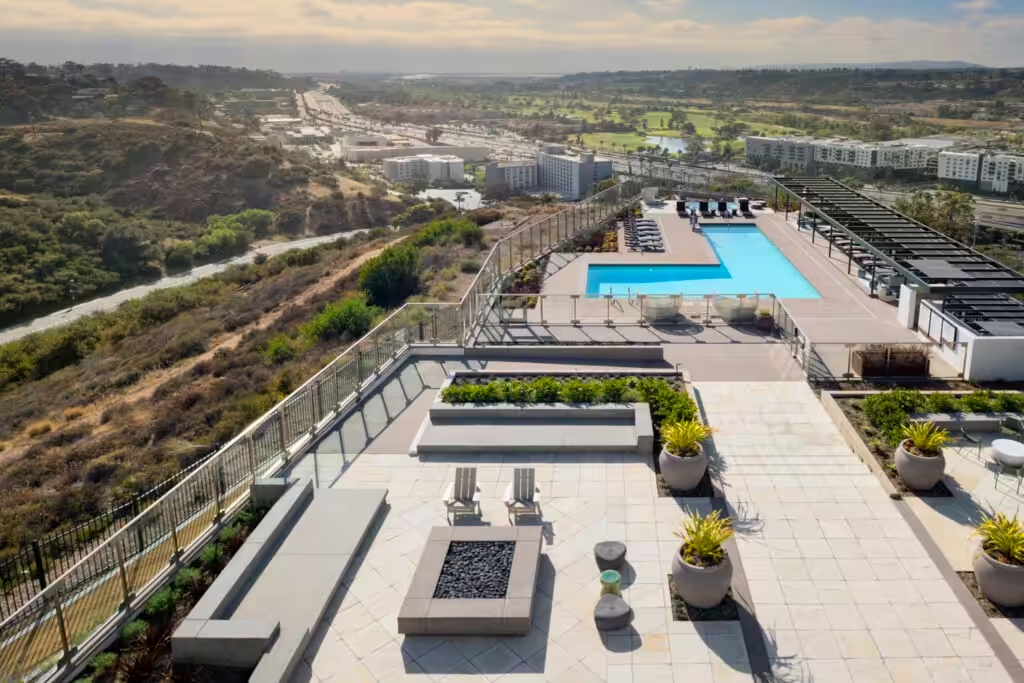
Closer-range drone shots are ideal for highlighting specific architectural features like roof lines, courtyard layouts, pool decks, and amenity spaces. Unlike traditional elevated photography, a drone can move freely around the property, capturing these details from angles and elevations that would be difficult or impossible to achieve from a fixed platform.
Cinematic visuals for videography
Cinematic motion for marketing videos, social reels, virtual tours, and sales presentations. Drone footage gives viewers a sense of the property’s scale and surroundings that still photography can’t deliver. Moving around and through a property creates a more immersive experience, helping viewers understand the full space and making the video feel more dynamic and engaging.
Planning a Drone Shoot Properly
Drone shoots fail at the planning stage more often than they do at the shooting stage. Flying a drone without a well-defined shot list leaves you with footage that fills a hard drive, but isn’t useful for marketing and sales. Here’s what proper pre-production looks like.
Weather and light
The conditions that produce strong drone imagery are specific, and not every day works. A professional shoot will schedule with weather contingencies built in, and a professional crew will reschedule rather than push through bad conditions. Even moderate gusts of wind can cause motion blur that’s unforgiving in stills and obvious in video. Harsh midday sun can diminish the mood and flatten architectural features. Overcast skies can reduce contrast and make drone photography feel more documentary than marketing-focused.
Time of day
Lighting is one of the most important things we consider during our pre-planning process, using our experience to determine the best time of day for each property. For architectural drone photography, midmorning is often the sweet spot. Starting around 9:30 or 10 a.m. gives the sun enough height to create directional light without casting the long, distracting shadows you get earlier in the morning. While shadows can add mood and texture to a landscape, they can easily obscure architectural details. We also avoid the middle of the day when possible, when the light becomes harsh and flat. For certain hero images, golden hour and twilight can create a beautiful, dramatic look, but for most architectural coverage, the goal is finding the right balance of light to showcase the property clearly and beautifully.
FAA regulations and airspace
Commercial drone work in the United States requires Part 107 certification from the operator. Airspace authorization is required in controlled zones, which cover most metropolitan areas in the country. Proper insurance is essential, and any professional operation should carry it as a baseline. Hobbyist operators don’t have any of this. (We’ll dig into the regulatory side in detail in an upcoming piece on FAA rules for commercial drone photography.) For now, the short version: if a vendor can’t produce their Part 107 certificate and certificate of insurance on request, they’re not the right vendor for a commercial shoot.
Site coordination
On multi-family and commercial properties, drone work needs coordination with property management. Residents may need to be notified depending on the property’s policies. Active construction sites need safety coordination. Hospitality properties need to account for guest privacy and the timing of peak occupancy. None of this is hard, but it has to happen ahead of the shoot date rather than the morning of.
Shot list discipline
Going up with a clear shot list of compositions beats going up to see what looks good. The shoots that produce the most useful images are the ones that go in with a written shot list, work through it methodically, and bank the unplanned shots as a bonus rather than as the goal.
How a Photographer’s Eye Changes Drone Work
Anyone can buy a drone. The difference between a hobbyist’s footage and professional drone photography comes down to three things: composition, lighting, and post-production.
Composition from a photographer’s eye, not a pilot’s eye
Knowing which altitude flatters a building is photographic knowledge, not aviation knowledge. So is knowing which angle reveals the architectural form versus flattening it. Where to place the horizon. When to crop tight on the property and when to show the surroundings. A pilot who learned photography after learning to fly will produce different work than a photographer who learned to fly after spending years composing architectural shots from the ground.
Awareness of light direction
The best drone imagery starts with an understanding of light, not just the equipment. An experienced photographer knows how the sun, shadows, and changing light will affect the way a property looks and can recognize when a few minutes, or a different position, will create a much stronger image. This is where experience makes the difference: knowing how to read the light, anticipate how it will change, and use it to highlight the architecture, landscaping, and details that make the property stand out.
Post-production
Great drone photography doesn’t end when the flight is over. Our team approaches post-production by hand, carefully color correcting each image to create natural, consistent results that align with the rest of the property’s photography. We don’t rely on automatic adjustments or one-click filters. Every image is refined with attention to color, light, contrast, and detail so the final result feels intentional and polished, not like raw drone footage.
“A home is the largest investment that most people make in their lifetime, and there’s a lot of competition so it’s important to make your model photography stand out. Rob’s shots always turn out fantastic. We use Rob’s photography for our website, but we also use it to apply for national awards. We win many of the awards competitions we enter, and I think a large part of that is because the quality of Rob’s photography really shows off the architectural features and interior design. If you’re choosing between Rob and someone else, definitely go with Rob!”
— Debbie Jones, VP of Marketing for Minto Communities
How Top Brands Use Drone Photography
Three short case studies, drawn from the kinds of projects that make up the bulk of professional drone photography work in property marketing today.
Multi-family community context
For a multi-family apartment community spread across multiple buildings, ground-level photography shows the spaces residents will actually experience, from model units and leasing offices to architectural details and amenities. Drone photography helps put it all together, showing how the pool connects to the courtyard, how the buildings surround the green space, and where parking, dog parks, and entrances are located. It can also show what you can’t capture from the ground: how close the community is to major highways, stadiums, downtown areas, and other landmarks that matter to prospective residents. Together, these perspectives give people a better sense of both the property itself and where it fits within the surrounding area.
Master-planned residential during construction
Master-planned residential clients often need pre-leasing and pre-sales imagery from the ground before the property is finished. Drone work during active construction lets the marketing team launch with usable hero imagery while individual homes are still being completed. The drone aerials show the community taking shape, the model row, the relationship to existing neighborhoods, and the scale of the development. By the time the ground-level photography is possible, the campaign is often already running.
Single-property hero shots
For hospitality and luxury residential projects, the single iconic dusk drone shot often becomes the property’s signature image. The shot that ends up on the billboard, the homepage, the trade publication cover, and the award entry. One image, planned carefully, shot in the right twenty-minute window, post-processed to perfection. That image can run for years.
Combining Drone with Ground Photography
A property’s marketing library is strongest when drone photography and ground-level work are shot and color-graded together, and feel like one body of work.
Shoot both in the same project where possible. Coordinating the two parts of the production reduces total cost, ensures the weather and light conditions are consistent across the library, and prevents the awkward situation where the drone shots and the ground shots clearly came from different days, different seasons, or different photographers.
Use the same architectural photographer for both. Consistent post-production matters more than most marketing directors realize. The color palette, contrast handling, sky treatment, and level of finish on the imagery: all of it should match across the full set. When prospective tenants scroll through a gallery, the imagery should feel like a single deliberate visual story, not a collection of assets pulled from different sources.
The Bottom Line
Drone photography for property marketing isn’t about owning a drone. It’s about knowing when to send one up, what to shoot when you do, and how to integrate the results into a marketing library that earns its keep for years. The equipment has become accessible. The judgment about what to do with it has not.
If you’re planning drone photography work for an upcoming property launch, a campaign refresh, or an award submission, the conversation worth having is about what the imagery needs to accomplish rather than how many minutes of footage the drone will capture. The answers to that question shape everything else, from the shot list to the timing to whether twilight coverage belongs in the budget.
We’d love to help you think it through. Get in touch and let’s talk about your property.